

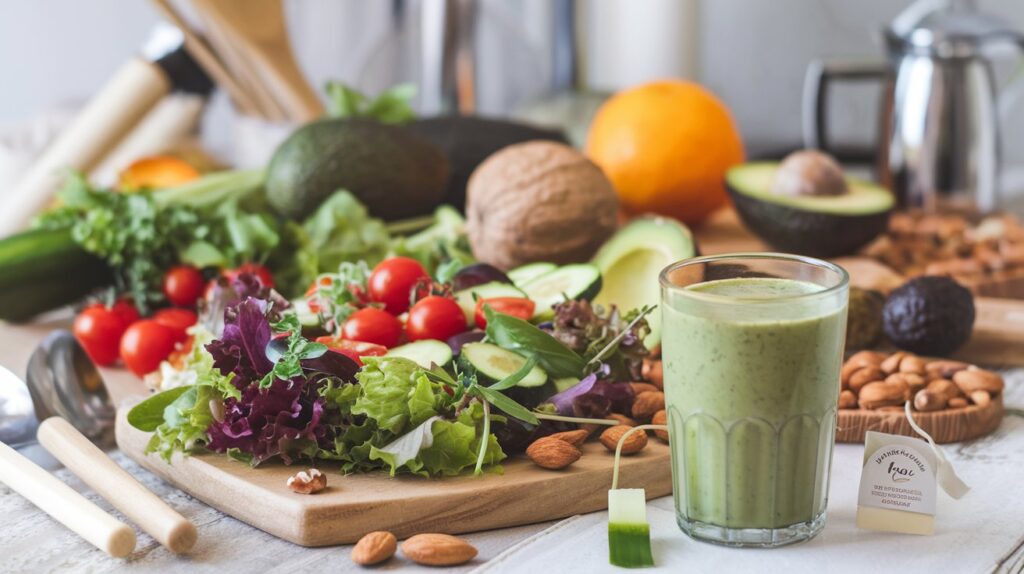
Organic Life: A Step Toward Healthier Living and a Cleaner Planet
In a world full of chemicals, pollution, and artificial products, the idea of “organic life” has become more than just a trend—it’s a way of living consciously. Living an organic life means choosing natural, chemical-free, and eco-friendly options in our daily routine. It’s about returning to basics, valuing what nature provides, and reducing our dependence on synthetic materials that harm our health and the environment.
What Does Living Organic Mean?
“Organic” simply means natural and free from harmful chemicals. Whether it’s food, skincare, clothing, or lifestyle choices, going organic means choosing products that are made without synthetic fertilizers, pesticides, hormones, or preservatives. It’s about understanding where your food comes from, how your clothes are made, and how your daily habits affect the planet.
Organic living is not limited to eating organic vegetables—it’s a complete lifestyle choice that promotes well-being and sustainability.
Why Organic Living Matters
- Better for Your Health
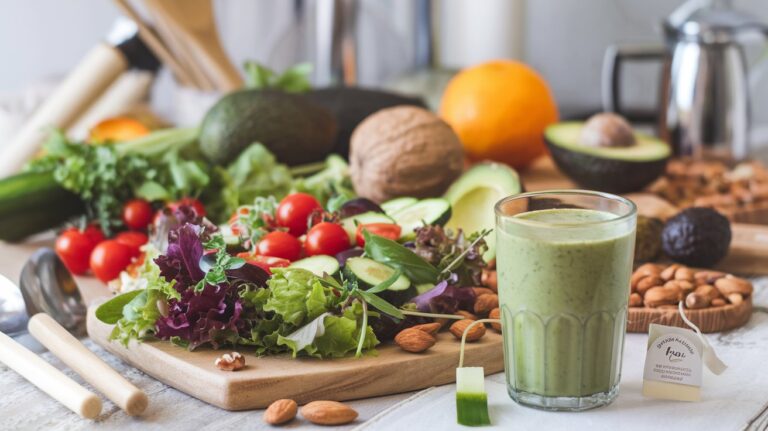
Organic food and products are free from harmful chemicals and artificial ingredients. Consuming pesticide-free fruits and vegetables reduces the risk of allergies, hormonal imbalances, and long-term diseases. When you choose organic dairy, meat, or grains, you’re ensuring that what you eat is pure and nutrient-rich. - Protects the Environment
Organic farming avoids chemical fertilizers and pesticides that pollute soil and water. It focuses on natural compost, crop rotation, and biodiversity, which helps restore soil fertility and preserve the ecosystem. Choosing organic means reducing your carbon footprint and supporting a cleaner planet. - Better Taste and Nutrition
Many people notice that organic food tastes fresher and more flavorful. That’s because it’s grown naturally, without artificial ripening agents or preservatives. Studies also suggest that organic produce may have higher levels of antioxidants and essential nutrients. - Supports Ethical and Sustainable Practices
Organic living often goes hand in hand with ethical production. This means no animal cruelty, no exploitation of farmers, and no damage to nature. By buying organic, you support local farmers and small businesses that follow sustainable methods.
How to Start Living an Organic Life
- Eat Organic Food
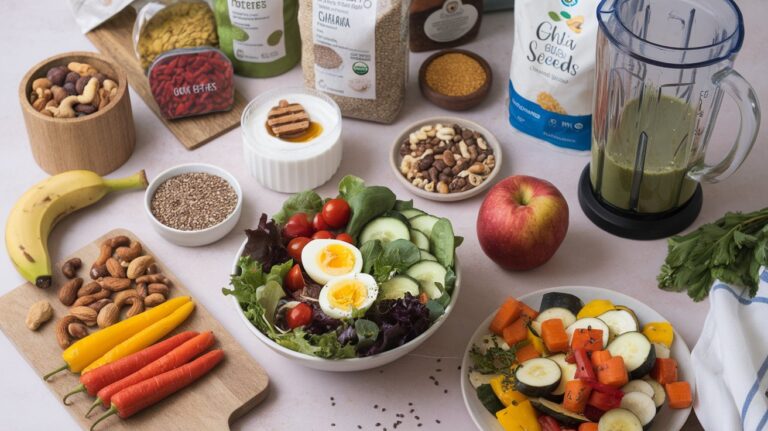
Start small. Replace one or two items from your regular grocery list with organic alternatives—like switching to organic fruits, vegetables, or grains. Always check for certified organic labels to ensure authenticity. - Use Natural Personal Care Products
Most soaps, shampoos, and cosmetics contain harsh chemicals. Choose products made with herbal extracts, essential oils, and natural ingredients. Your skin absorbs what you apply—so go chemical-free. - Choose Organic Clothing
Organic cotton, bamboo, or hemp fabrics are not just eco-friendly but also skin-friendly. They use less water, no synthetic dyes, and reduce microplastic pollution. - Avoid Processed and Packaged Foods
Processed foods are often loaded with preservatives, artificial flavors, and unhealthy fats. Instead, go for home-cooked meals using fresh ingredients. - Grow Your Own Food
Even if you have a small balcony or terrace, you can grow herbs, tomatoes, or greens in pots. Gardening connects you with nature and gives you the joy of eating what you’ve grown. - Use Eco-Friendly Cleaning Products
Household cleaners often contain toxic chemicals. Use alternatives like vinegar, baking soda, or lemon juice for cleaning. They are effective and safe for your family and pets.
Benefits of an Organic Lifestyle
- Improved immunity and energy – Organic food provides better nutrition, keeping you active and healthy.
- Clearer skin and better hair – Using chemical-free personal care products reduces irritation and allergies.
- Peace of mind – Knowing that you’re not harming the planet gives emotional satisfaction and inner peace.
- Better for future generations – By living organically, you’re setting an example for children and contributing to a healthier Earth.
Challenges of Living Organic
Yes, organic living can be slightly expensive at first. Organic products take more effort and time to produce. However, the long-term health benefits and reduced medical costs make it worth it. Accessibility can also be an issue in some areas, but online organic stores and local farmers’ markets are helping bridge the gap.
Conclusion
Living an organic life is not just about diet—it’s a mindset. It’s about making conscious choices every day to live in harmony with nature. When you eat organic, use natural products, and support sustainable practices, you’re not just improving your health—you’re contributing to the planet’s well-being.
The beauty of organic living lies in simplicity. It teaches us that true luxury is not in abundance but in purity. So, take that first step today—start small, live naturally, and embrace the organic way of life. Over time, your body, mind, and the Earth will thank you for it.